

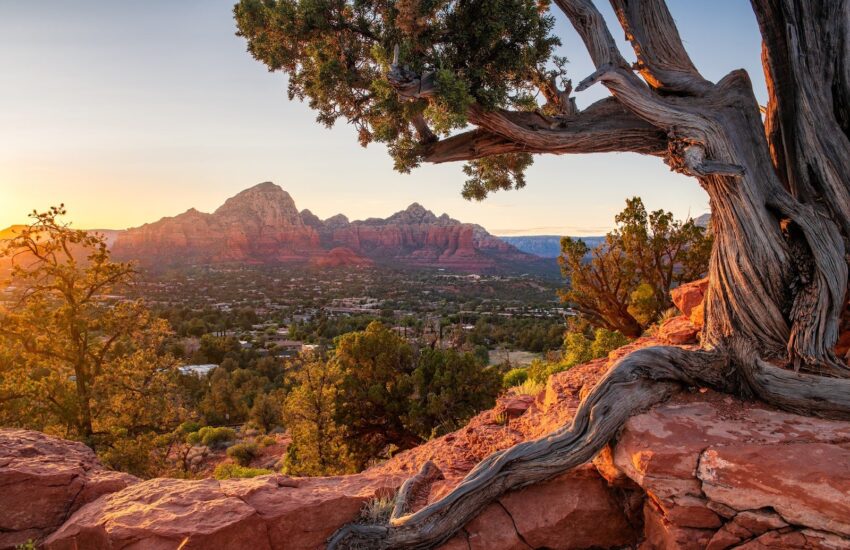
Before a first trip to Sedona, almost everyone searches the same handful of questions. Is it worth it? When is the best time to visit Sedona? Do I need a car? What is a Red Rock Pass, and what on earth is a vortex?
Here are straight answers to all of them, so you can stop searching and start planning.
Is Sedona Worth Visiting?
Yes, and for more reasons than the photos suggest. The red rock scenery really is that striking in person, and you don’t have to be a serious hiker to enjoy it. There are easy walks, scenic drives, galleries, restaurants, jeep tours and some of the best stargazing in the country.
Where people sometimes feel let down is with crowds at the most famous trailheads. Plan around those (more on that below), and Sedona tends to exceed expectations.
When Is the Best Time to Visit Sedona?
Spring (March to May) and fall (September to November) are the most comfortable, with warm days and cool nights. That’s also when Sedona is busiest.
- Summer is hot, often in the 90s, with afternoon monsoon storms from July into September. Hike early.
- Winter is quieter, with sunny days in the 50s and cold nights. A light dusting of snow on red rock is one of the prettiest sights in Arizona.
- Fall brings color to Oak Creek Canyon from mid-October, plus festivals and ideal hiking weather.
If you want good weather with fewer people, look at weekdays in November or early December.
How Many Days Do You Need in Sedona?
Two to three full days is the sweet spot for a first visit. That’s enough for a couple of hikes or walks, a scenic drive, a sunset and a relaxed dinner or two.
With four or five days, you can add a day trip to Jerome, Montezuma Castle or the Grand Canyon.
How Far Is Sedona From Phoenix and the Grand Canyon?
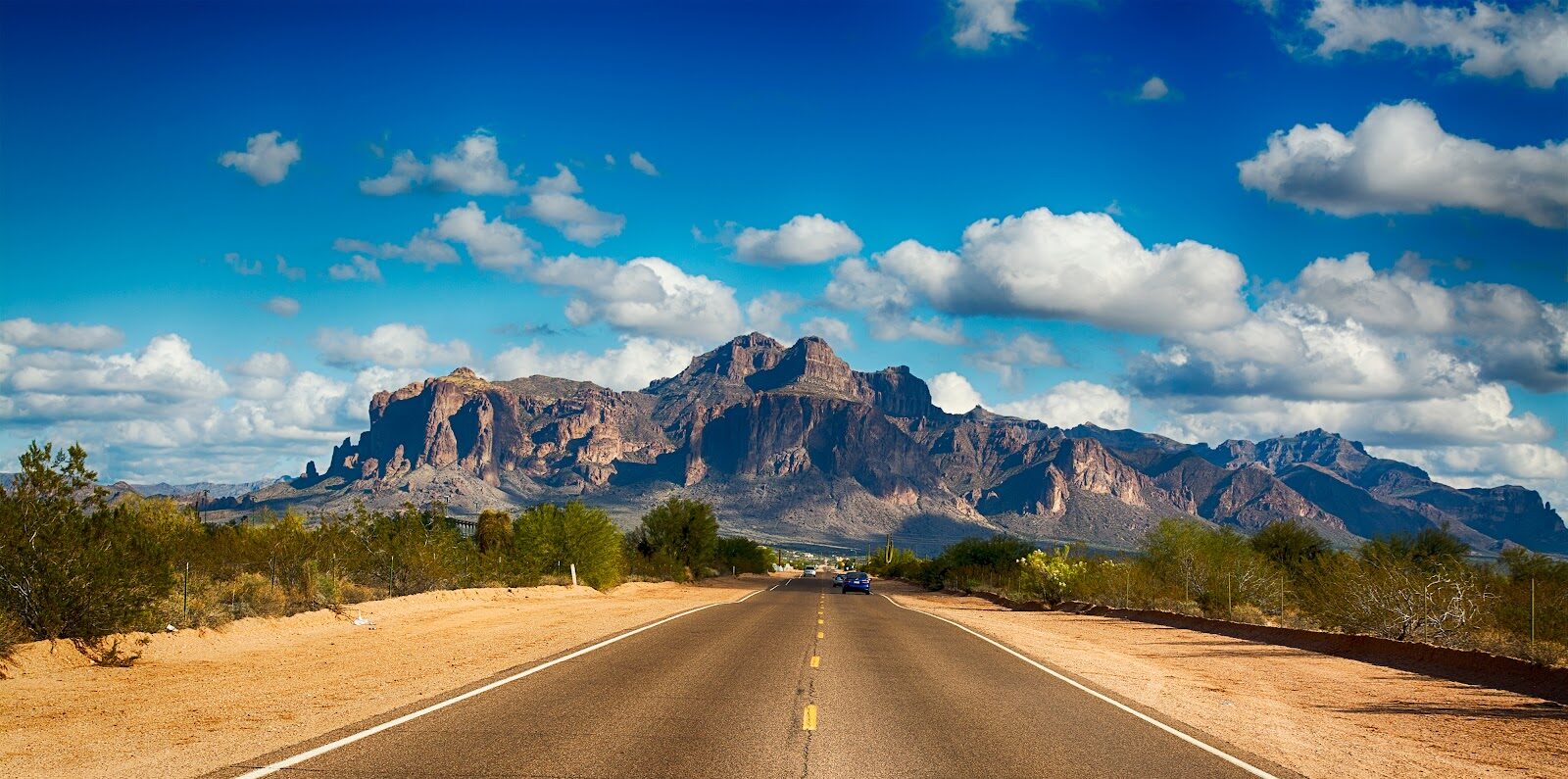
Both drives take about two hours. Most visitors fly into Phoenix, rent a car and drive north. For the Grand Canyon, our guide to how far Sedona is from the Grand Canyon covers the route and the best stops along the way.
Do You Need a Car in Sedona?
It helps a lot. Sedona is spread out, and most trailheads, viewpoints and day trips are best reached by car.
That said, the free Sedona Shuttle is a real help. It runs from park-and-ride lots to five popular trailheads: Cathedral Rock, Little Horse, Soldier Pass, Dry Creek Vista and Mescal. It usually runs Thursday through Sunday, with daily service during busy periods. On shuttle days, you can’t drive to the Cathedral Rock and Soldier Pass trailheads, so the shuttle is the way in. For short trips around town, there’s also an on-demand shuttle service for a small fare.
What Is a Red Rock Pass, and Do You Need One?
A Red Rock Pass is a parking pass for many national forest trailheads and sites around Sedona. You need one if you park and leave your car at one of those sites. Daily passes cost $5 and weekly passes $15, and you can buy them online or from local vendors. A federal America the Beautiful pass works too. A few things catch first-timers out:
- The shuttle doesn’t require a pass.
- Slide Rock and Red Rock state parks charge their own entry fees.
- A few popular picnic sites, like Crescent Moon, charge a separate fee.
Why Are Sedona’s Rocks Red?
Iron. The rocks are layers of ancient sandstone, and iron oxide, essentially rust, coats the sand grains and stains the stone red and orange. Different layers hold different amounts of iron, which is why the formations look striped.
What Is a Sedona Vortex?
Vortexes are places many people believe carry a concentrated energy that supports meditation, healing and reflection. The best-known sites are Airport Mesa, Bell Rock, Cathedral Rock and Boynton Canyon.
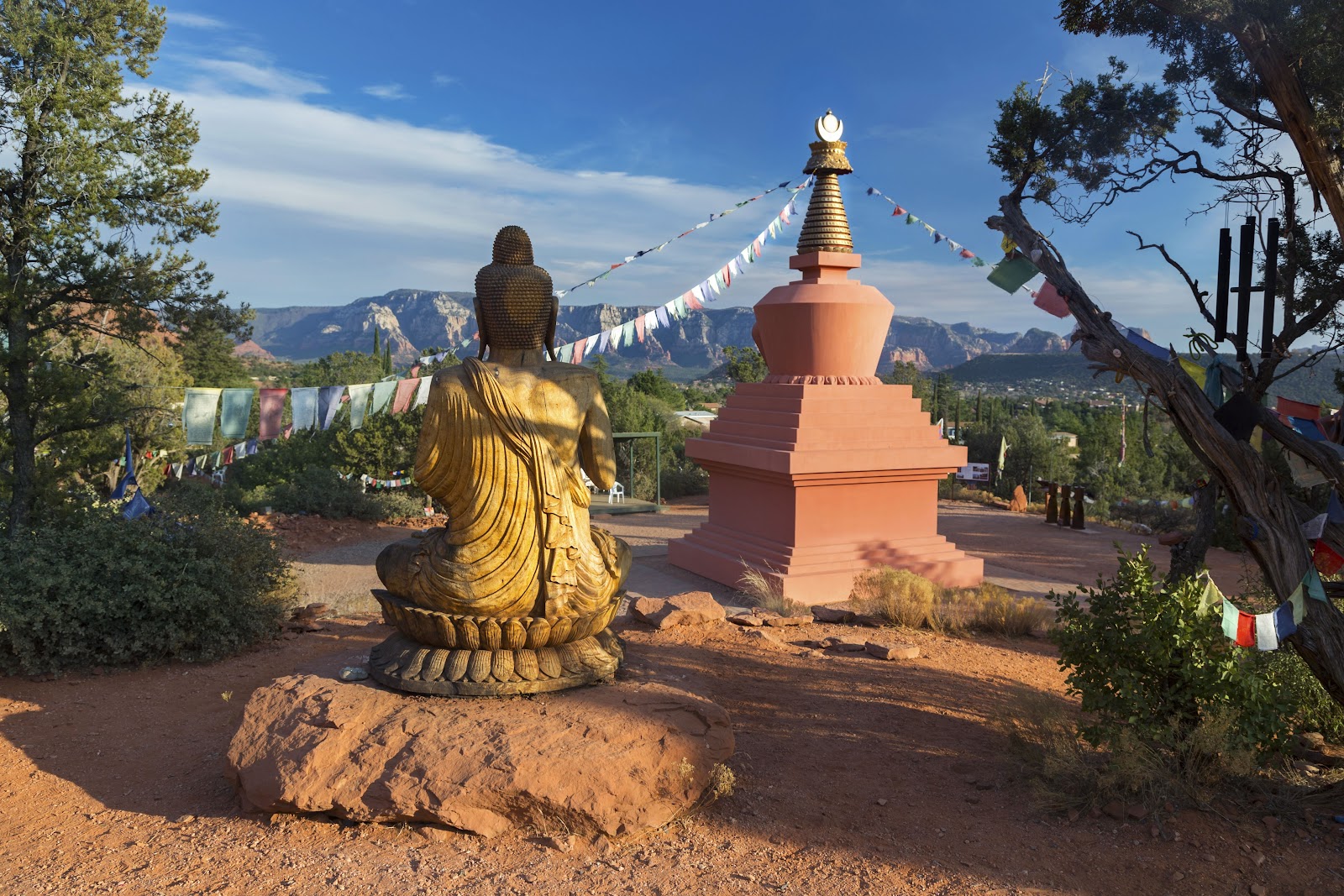
Whether or not you believe in the energy, they’re all beautiful places to visit. Airport Mesa is the easiest to reach and a classic sunset spot.
Is It Hard to Find Parking at Trailheads?
At the most famous ones, yes, especially on weekends and in spring and fall. Lots at places like Devil’s Bridge and Cathedral Rock fill early in the morning.
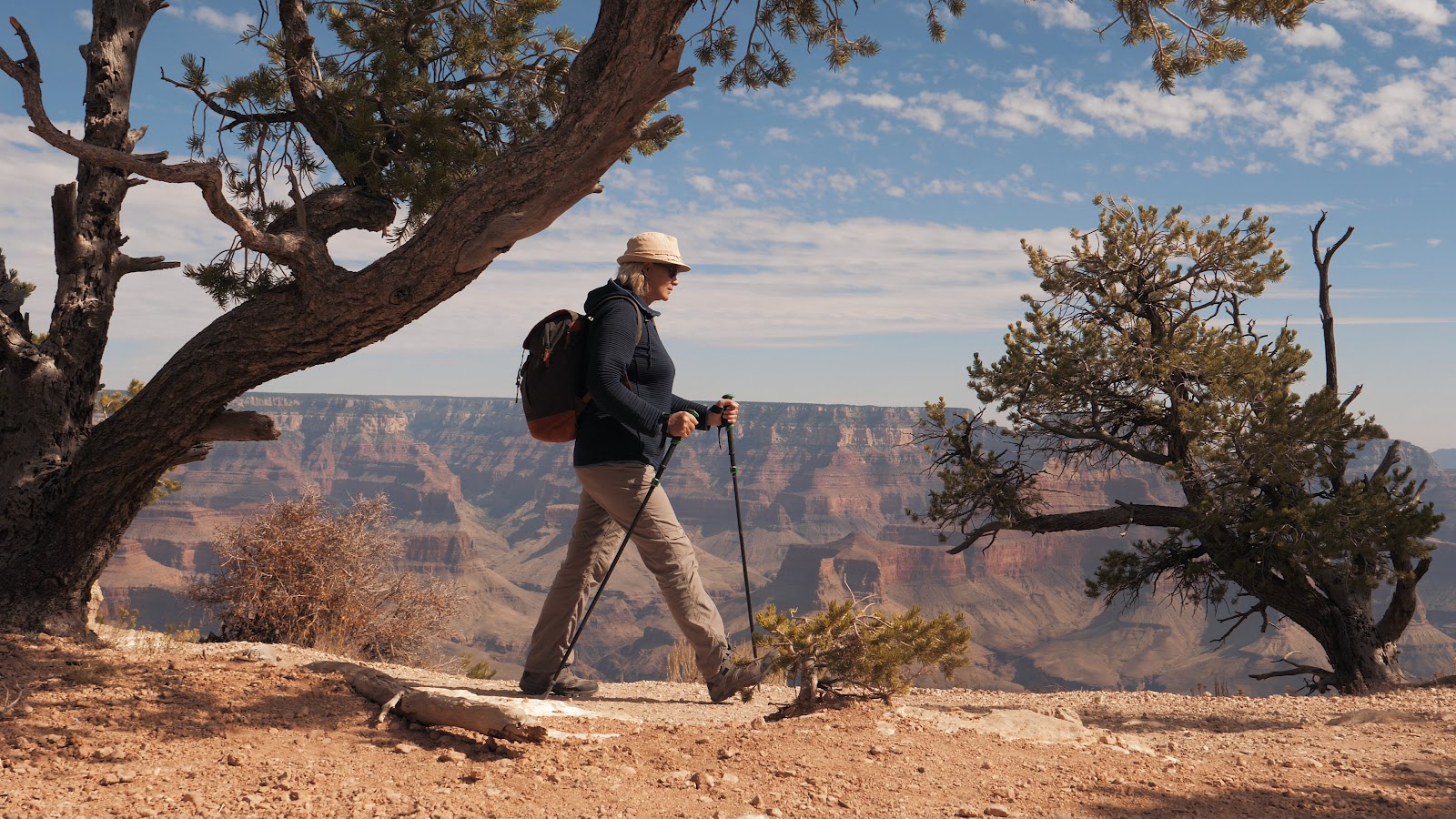
The fix is simple: arrive early, use the shuttle, or choose a less famous trail. If you’re new to hiking here, our guide to 5 Sedona trails for first-time hikers is a good place to start.
What Time Zone Is Sedona In?
Arizona stays on Mountain Standard Time all year and doesn’t observe daylight saving time. In summer, that puts Sedona on the same clock as California. In winter, it matches Colorado. Check your tour and dinner times if you’re coming from another state.
What Should You Pack for Sedona?
Layers, sturdy walking shoes, sunscreen, a hat and more water than you think you need. The air is dry and the sun is strong at about 4,300 feet. Our Sedona packing list covers the details.
Start Your First Trip on the Right Foot
The best first trip to Sedona is simple: a comfortable base, early starts and plenty of time to enjoy the views. GreenTree Inn makes an easy starting point, with free parking, room to spread out and quick access to Route 89A for trailheads and day trips. If friends or family are joining you, you can book rooms together so everyone starts the day from the same place.
